
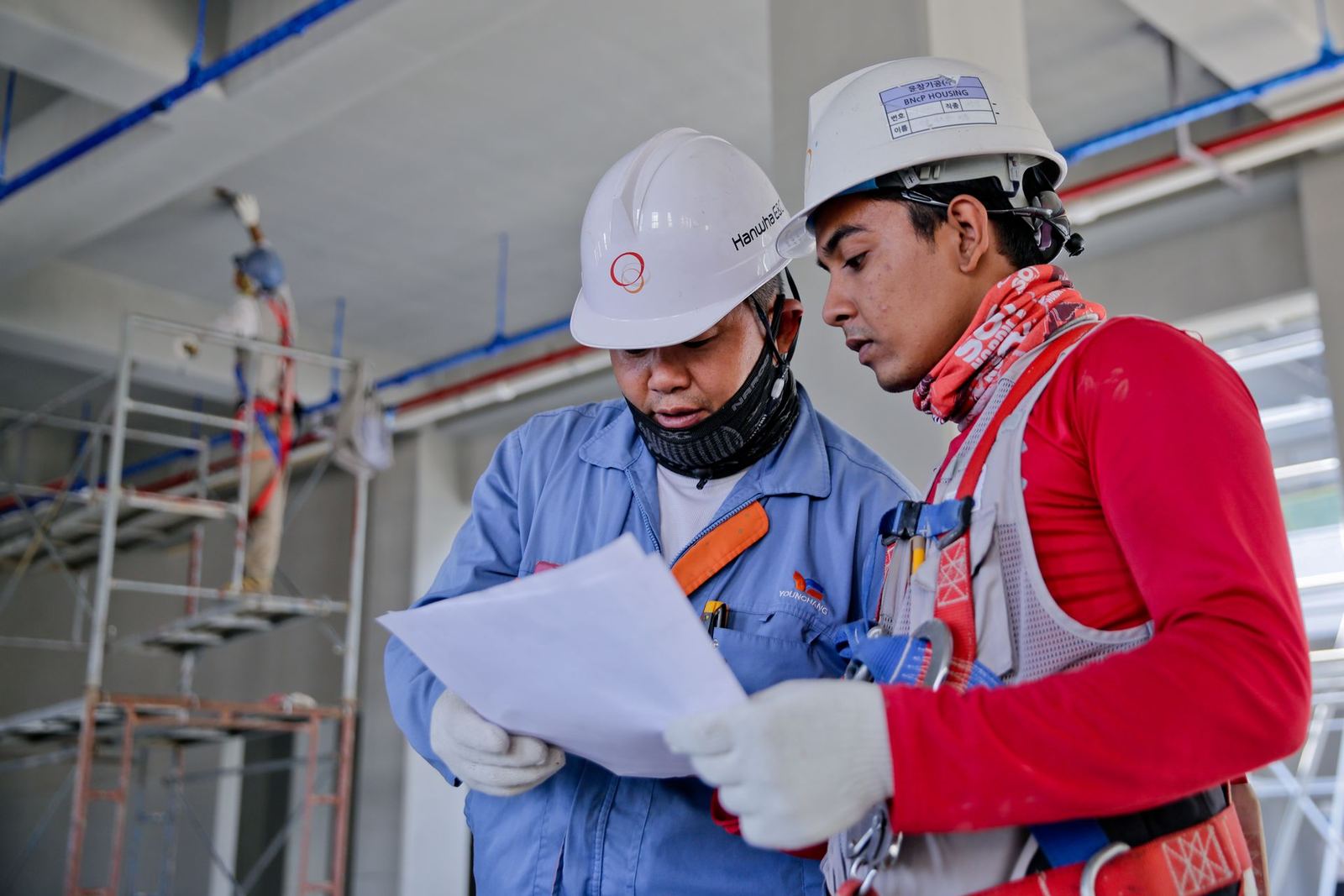
ISO 45001 for construction subcontractors.
Safety certification usually arrives on a subcontractor’s desk as a request from someone else. Here is what is actually being asked for.
Most subcontractors do not go looking for ISO 45001. The request comes from a head contractor, a principal, an insurer or a tender panel, and it usually arrives with a deadline attached. Understanding what the requesting party is checking makes the whole exercise a lot less abstract.
Why the request arrives.
Almost every subcontractor already has a safety management system. Certification does not add the system, it adds independent verification of it. An external auditor examines the system in operation and a JAS-ANZ accredited body puts its name behind the result. Principals, insurers and tender panels treat audited evidence differently from self-assessment, because an independent party has tested it rather than the party being assessed.
What certification actually proves.
On a successful Stage 2 audit, Equal Assurance issues a Certificate of Confidence and your business is listed on the public JAS-ANZ register. That register entry is the point. The head contractor asking for your certificate can look it up and confirm it is genuine and current without taking your word for it, and without a phone call to us.
What the auditor looks at on a subcontractor’s work.
Stage 1 is a documentation and readiness review, conducted before anyone walks a site. It reports Areas of Concern so you know what needs attention. Stage 2 is conducted while work is under way, because a safety system can only be assessed where the work happens.
- Work observed as it normally happens, not staged for the visit.
- Conversations with the people doing the work, including your own crews and, where relevant, the way you interface with others on site.
- Records: inductions, plant and equipment, incident and hazard reporting, corrective actions and how they were closed.
- How hazards specific to your trade are identified, controlled and reviewed when conditions change.
Working around a live program.
Auditors work around your program rather than the other way around. Your Practice Manager schedules audit days with you in advance so the visit lands when there is representative work to see. The intent is to observe the system operating on a normal day, which suits a subcontractor better than a rehearsed one.
Multiple sites and short duration work.
Subcontract work rarely sits still. The scope of certification is written around what your business does rather than around a single address, and the audit program is scoped to cover the range of work the system controls. If your crews run the same processes across several projects, that is scoped differently from a business running genuinely different operations under one system. It is worth raising the shape of your work at the quote stage, because it changes the program.
Keeping the certificate current.
Certification is maintained through annual surveillance audits across the cycle. The same auditor returns each year, so you spend less time re-explaining how your business runs and the findings build on what was seen last time. Your Practice Manager holds the schedule, which matters when a prequalification pack is due and you need the current certificate in front of you.
Where ISO 9001 fits alongside it.
Head contractors frequently ask for quality certification in the same breath as safety. ISO 9001 and ISO 45001 share a management system structure, so certifying them together shares documentation and combines audit days rather than duplicating them. If both are likely to be asked for, it is cheaper to scope them together from the start.
More on ISO 45001:2018 certification.
Certification of occupational health and safety management systems that protect your people.
Keep reading.
Start your certification.
Quotes are free and carry no obligation. Tell us about your business and we will map the path to certification.